Discover Mizuna
Walking into Mizuna for the first time felt like stepping into a calm pocket of Denver where the pace slows down and food becomes the focus. Located at 225 E 7th Ave, Denver, CO 80203, United States, this intimate dining room has been part of the local restaurant conversation for years, and after multiple visits, it’s easy to understand why locals keep recommending it in reviews and word-of-mouth conversations.
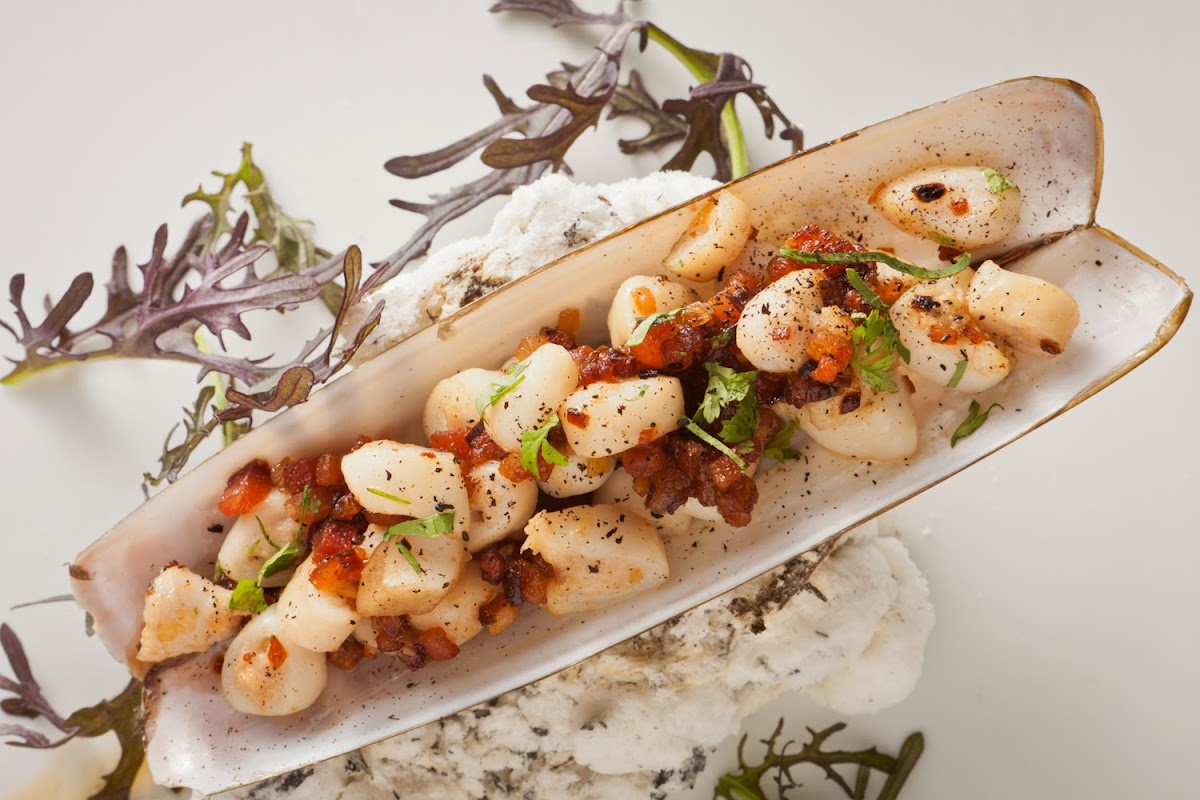
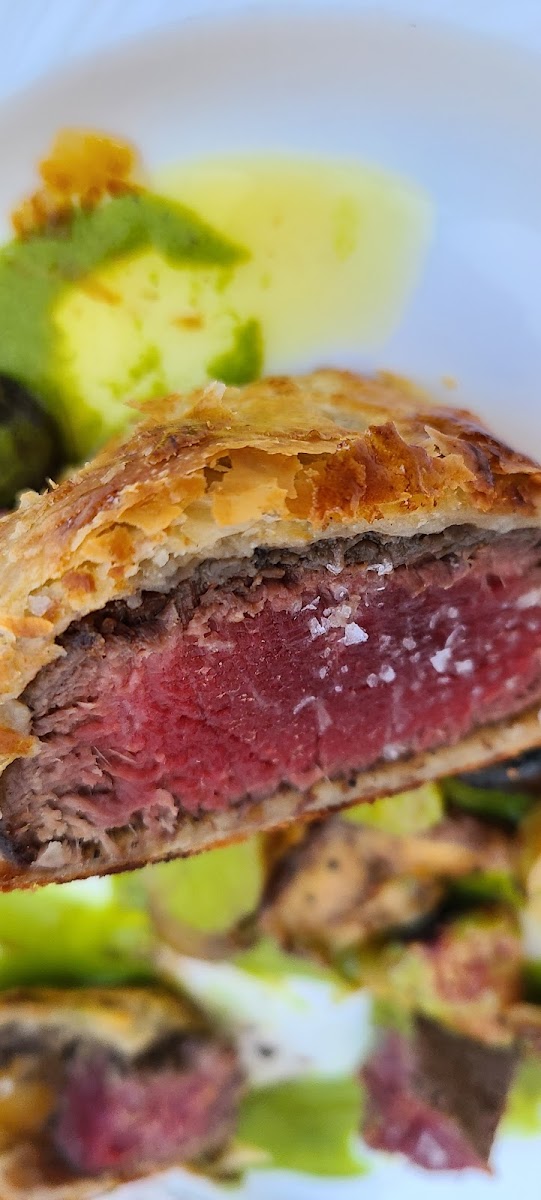
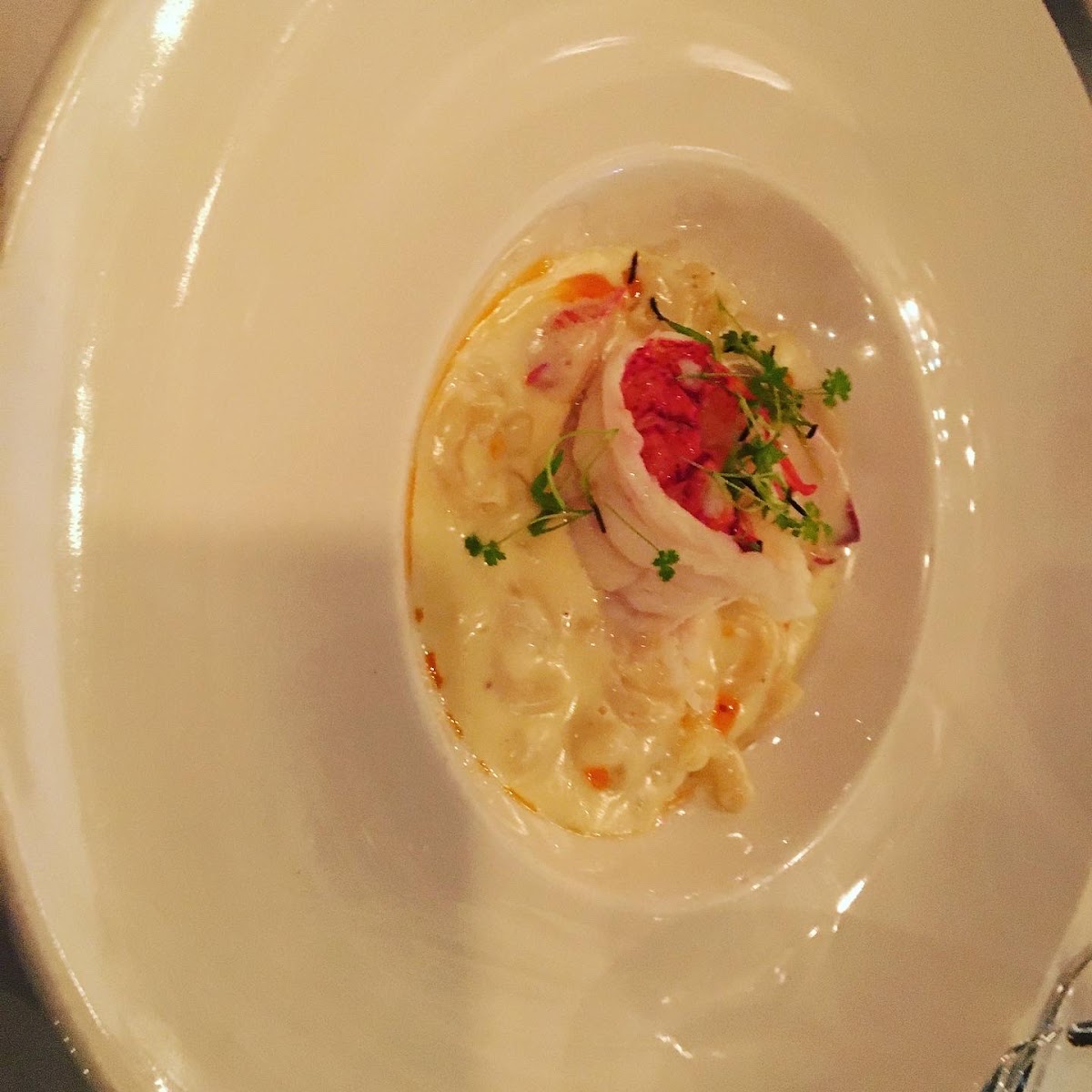
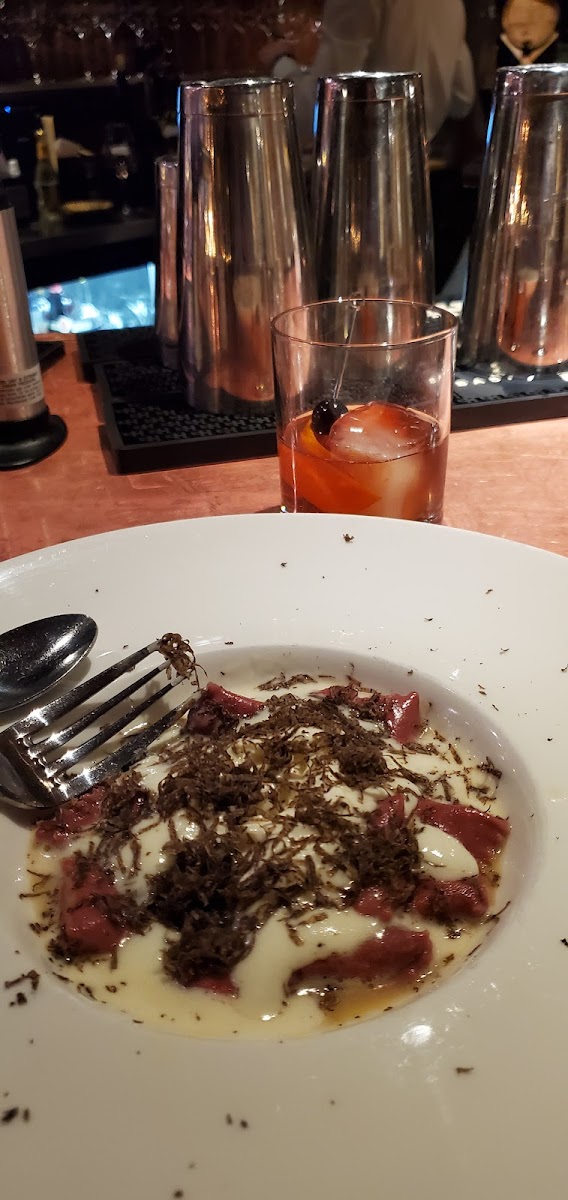
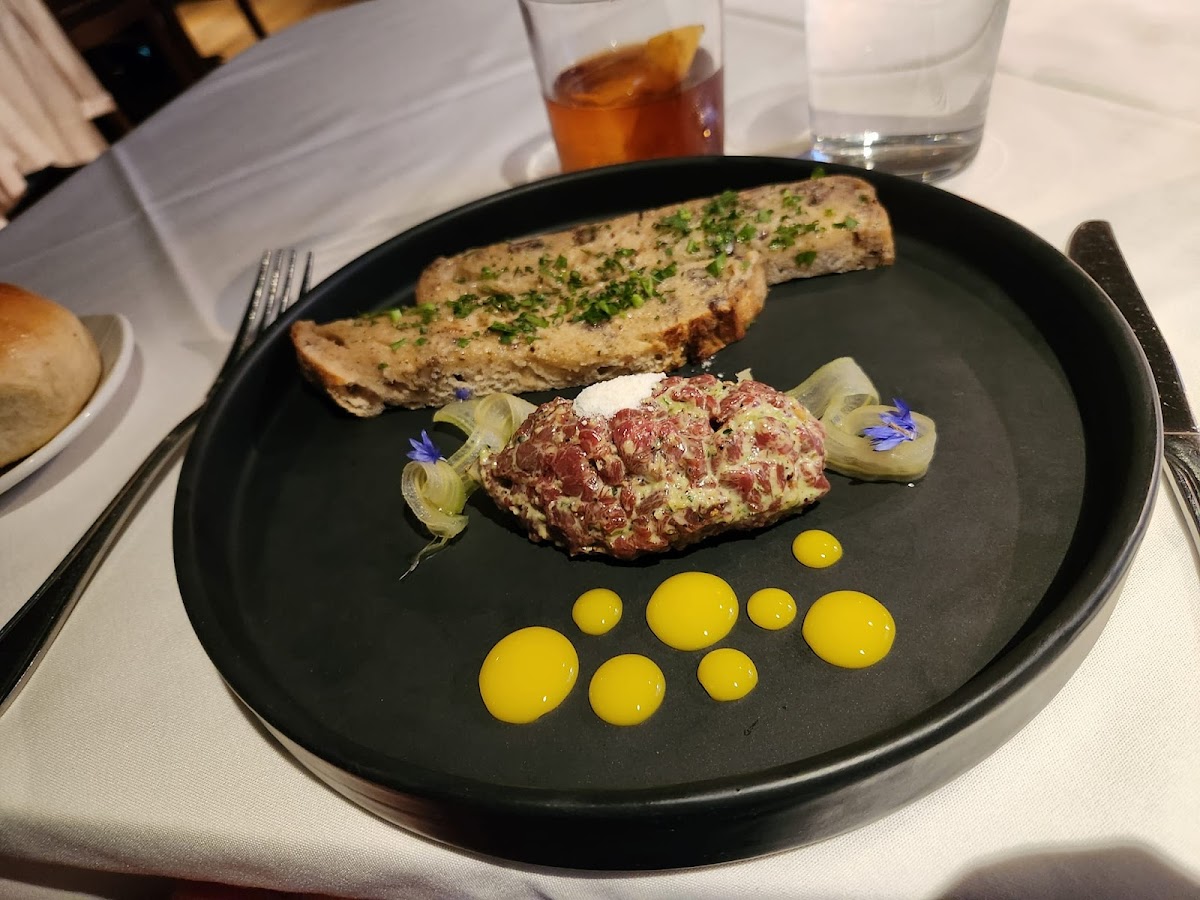
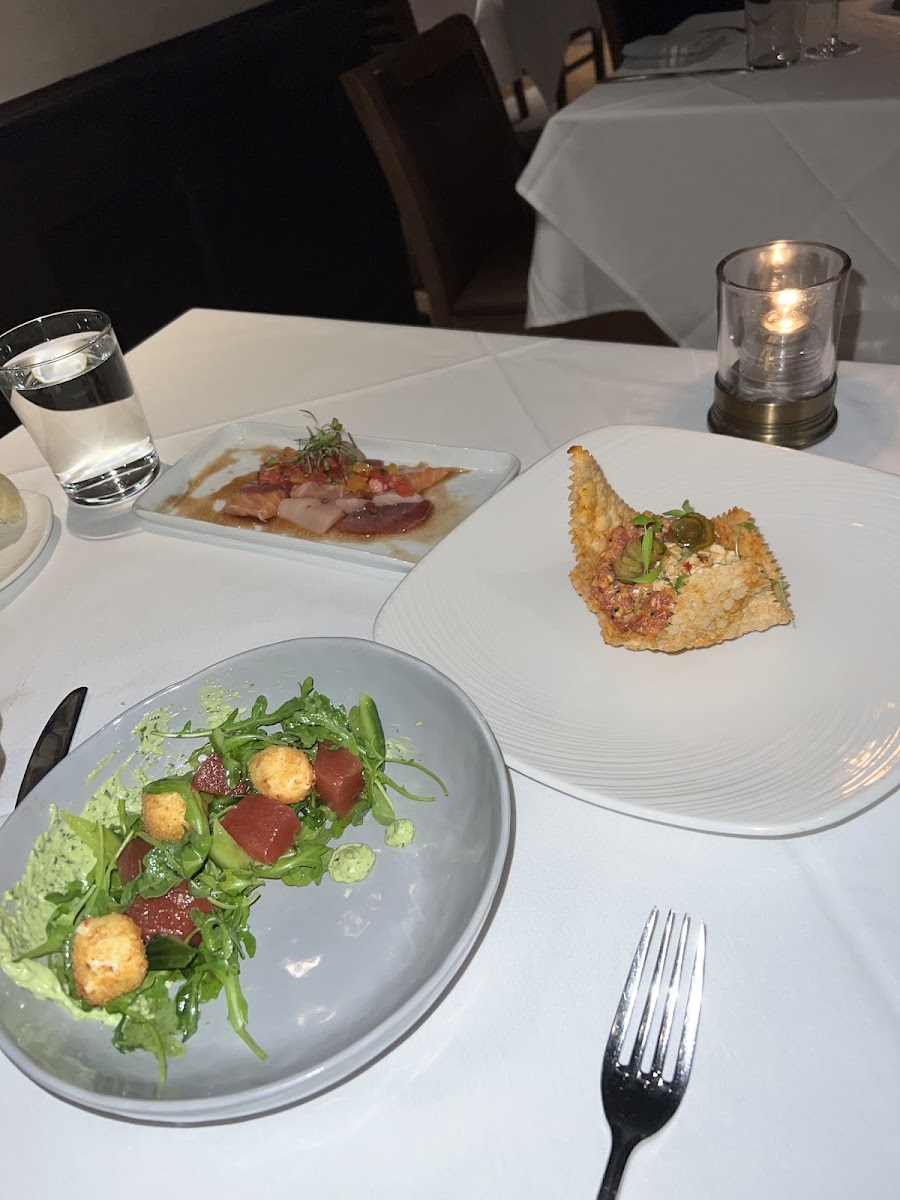
From personal experience, the menu here doesn’t shout for attention; it quietly earns it. The dishes lean heavily on seasonal ingredients, and that approach mirrors what the James Beard Foundation has long promoted-letting produce drive flavor instead of overpowering it. On one visit, the server walked me through how the kitchen sources vegetables from regional farms whenever possible, adjusting dishes weekly. That flexibility explains why repeat diners often notice subtle changes even when ordering familiar favorites.
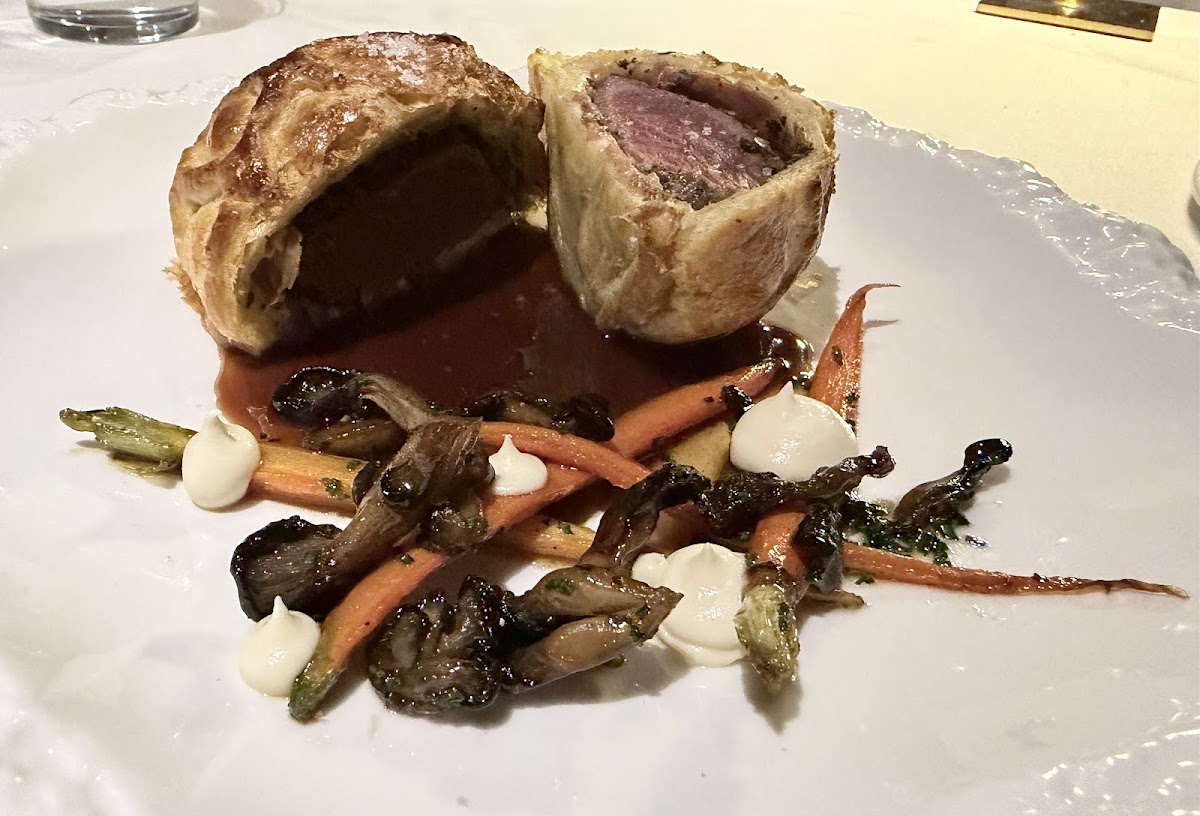
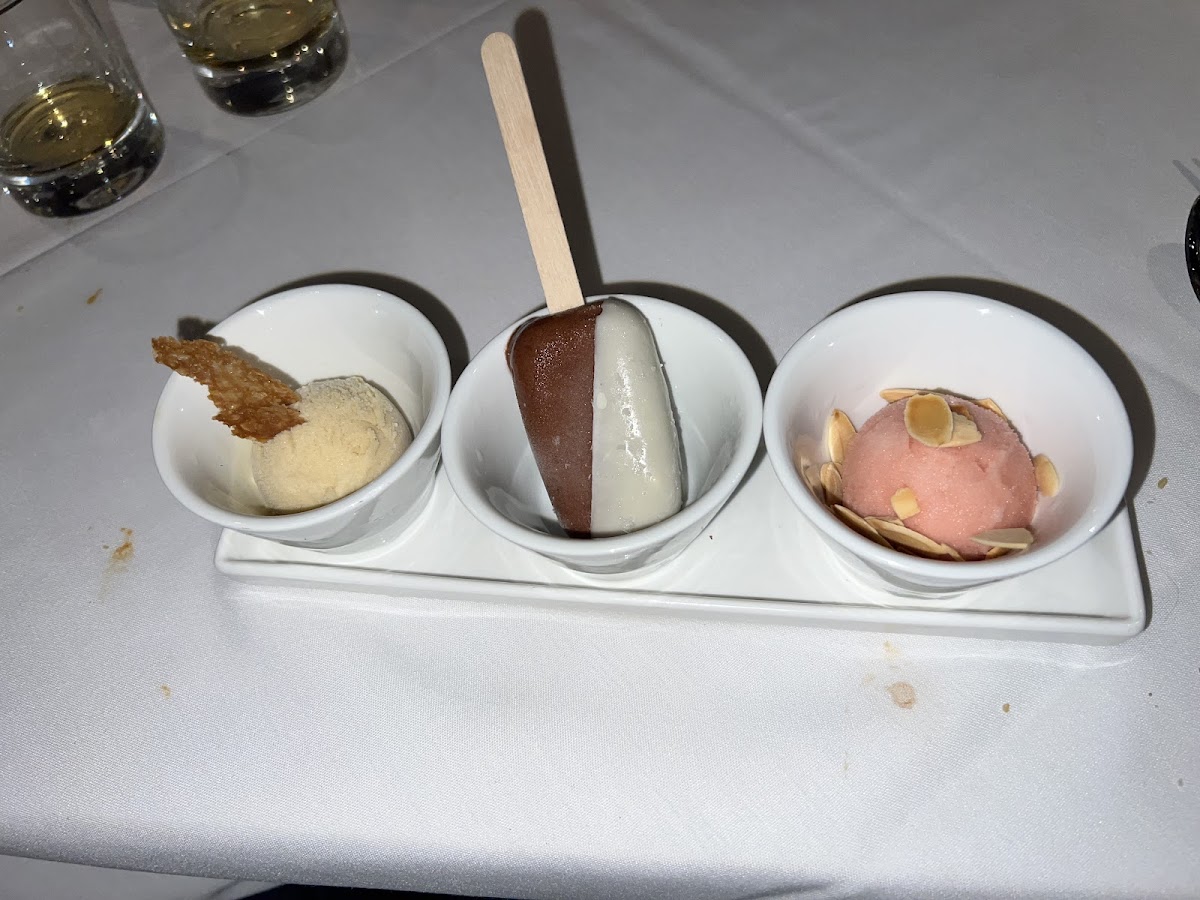
One standout experience involved their chef’s tasting menu, which is offered when the kitchen has especially strong seasonal ingredients on hand. The pacing was thoughtful, never rushed, and each plate built naturally on the last. This kind of menu design follows principles often discussed by culinary institutes like The Culinary Institute of America, where balance, progression, and restraint are considered essential to fine dining. You taste that philosophy here, especially in dishes that combine French technique with modern American sensibilities.
Wine also plays a meaningful role. According to data from the Wine Market Council, over 60 percent of fine-dining guests value curated wine pairings as part of the overall experience. Mizuna leans into that expectation without making it intimidating. Servers explain pairings in plain language, focusing on flavor rather than jargon. On one evening, a crisp Loire Valley white was suggested to complement a vegetable-forward entrée, and the pairing genuinely elevated the dish rather than competing with it.
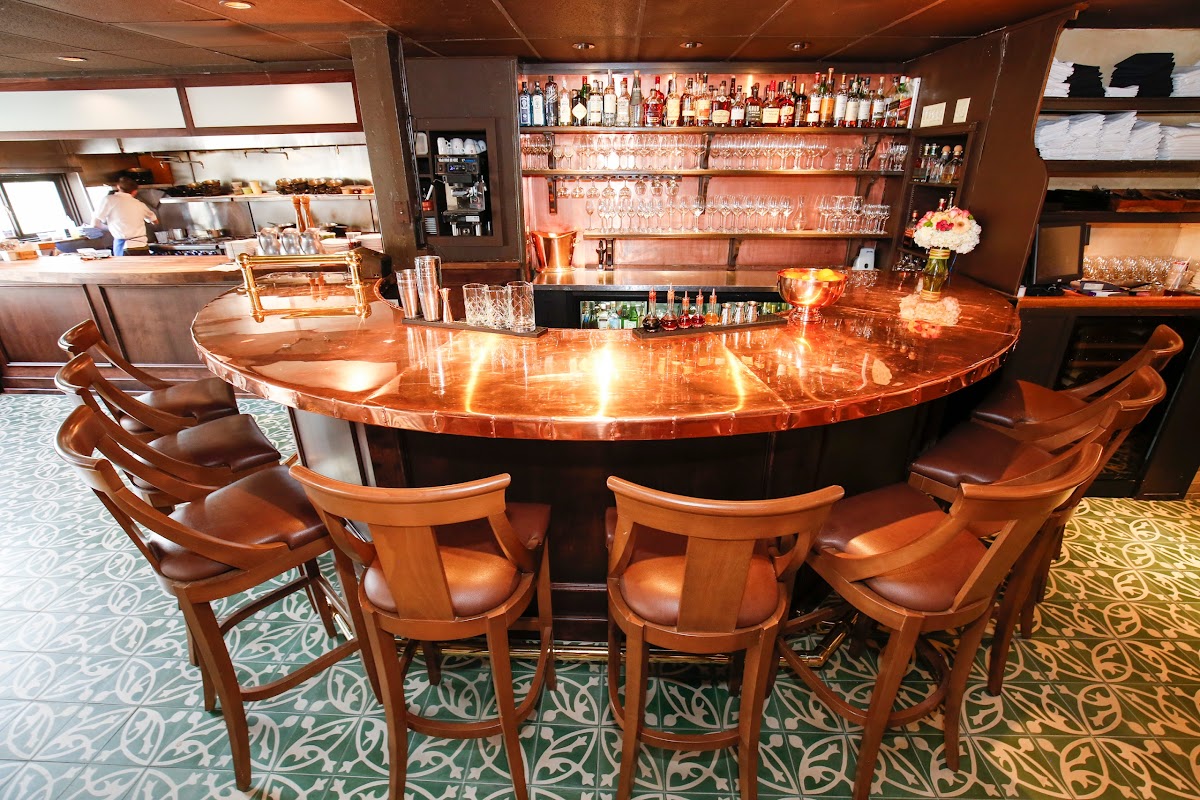
The dining room itself reinforces trust and comfort. Tables are spaced generously, lighting stays warm, and the open flow allows conversation without shouting. These details matter more than people realize. Research published by Cornell University’s School of Hotel Administration shows that ambient factors like lighting and noise levels directly affect how guests perceive food quality. Mizuna clearly understands this connection and applies it consistently.
Reviews from long-time Denver diners often mention consistency, and that’s been true in my experience as well. Whether visiting on a quiet weekday or a busy weekend night, service remains attentive and informed. Staff turnover seems low, which is usually a positive signal in the restaurant industry, where the National Restaurant Association reports average annual turnover rates exceeding 70 percent. Familiar faces behind the scenes often mean better training and smoother service.
There are limitations worth noting. Mizuna isn’t designed for quick meals or large groups, and the menu may feel understated to diners seeking bold or experimental flavors. Portions are carefully sized, aligning more with European dining traditions than casual American expectations. Still, for guests who value technique, sourcing, and thoughtful execution, this approach feels intentional rather than restrictive.
Location-wise, the restaurant benefits from being centrally placed, making it easy to reach from different Denver neighborhoods. While there’s no sprawling list of locations, the single address adds to its character, reinforcing the idea that this is a place built on focus rather than expansion. Regulars often say that consistency comes from staying rooted, and Mizuna seems to embody that philosophy every night it opens its doors.